



What is a capping machine used for?
 Sep 13, 2025|
 View:602
A capping machine is a specialized piece of industrial equipment designed for one critical and seemingly simple task: to securely place and tighten a cap or lid onto a container. While the action is straightforward, its execution is vital to the integrity, safety, and marketability of countless products across a diverse range of industries. From the bottle of water on your desk to the life-saving vaccine in a clinic, capping machines work tirelessly on production lines worldwide to ensure containers are sealed correctly, efficiently, and consistently.
This essay will delve into the primary purposes of capping machines, explore the different types available, and elucidate why they are a cornerstone of modern manufacturing and packaging.
The Primary Purpose: More Than Just Putting on a Lid
The function of a capping machine extends far beyond mere closure application. Its core purposes are multifaceted:
1. Product Preservation and Shelf Life Extension:
The most fundamental reason for capping is to protect the product inside the container. A properly applied cap creates a hermetic or tight seal that safeguards the contents from a host of external contaminants.
Oxygen: For many products, especially food and beverages, oxygen is the enemy. It leads to oxidation, which causes spoilage, rancidity, and loss of nutritional value. Tamper-evident and airtight seals are crucial for extending shelf life.
Moisture: Humidity and liquid ingress can degrade products like pharmaceuticals, powdered supplements, and certain chemicals, causing them to clump, lose potency, or react undesirably.
Microbiological Contaminants: Bacteria, mold, and yeast can infiltrate a poorly sealed container, rendering the product unsafe for consumption. This is paramount in the food, beverage, and pharmaceutical industries.
Dust and Dirt: In industrial environments, particulates can contaminate products, affecting their purity and performance.
2. Ensuring Product Safety and Integrity:
This is a critical aspect, closely tied to preservation. A secure cap prevents leakage and spillage during handling, transportation, and storage. This protects not only the product but also other goods it is shipped with, the environment, and the end-user. Furthermore, many capping machines are integrated with systems that apply tamper-evident bands or seals. These features provide a visible guarantee to the consumer that the product has not been opened or tampered with since it left the factory, a key consumer safety requirement.
3. Maintaining Consistency and Quality Control:
Human operators, if tasked with capping thousands of bottles per shift, would inevitably introduce variability. Some caps would be too loose, leading to leaks; others would be too tight, potentially damaging the container or the cap threads, or making it impossible for the consumer to open. Capping machines eliminate this inconsistency. They are programmed to apply a specific, predetermined torque (rotational force). This ensures every single cap is tightened to the exact same specification, guaranteeing uniform seal quality and consumer experience. This level of consistency is impossible to achieve reliably through manual labor.
4. Achieving High-Speed Production Efficiency:
In modern mass production, speed is essential. Manual capping is incredibly slow and labor-intensive. Automated capping machines can place and torque hundreds, even thousands, of containers per minute. This dramatic increase in speed allows production lines to meet high output demands, making the entire manufacturing process economically viable. They are a key component in automating a packaging line, reducing bottlenecks, and maximizing throughput.
5. Reducing Labor Costs and Operational Expenses:
By automating the capping process, companies significantly reduce their reliance on manual labor. This translates to lower long-term wage costs, decreased instances of repetitive strain injuries among workers, and a reallocation of human resources to more skilled tasks like machine oversight, quality assurance, and maintenance.

Diverse Types for Diverse Needs
Capping machines are not a one-size-fits-all solution. They are engineered in various configurations to handle different container sizes, cap types, production speeds, and industry requirements.
1. By Level of Automation:
Manual Cappers: Hand-held devices used for low-volume production, pilot batches, or specialty crafts. The operator places the cap and uses the tool to torque it.
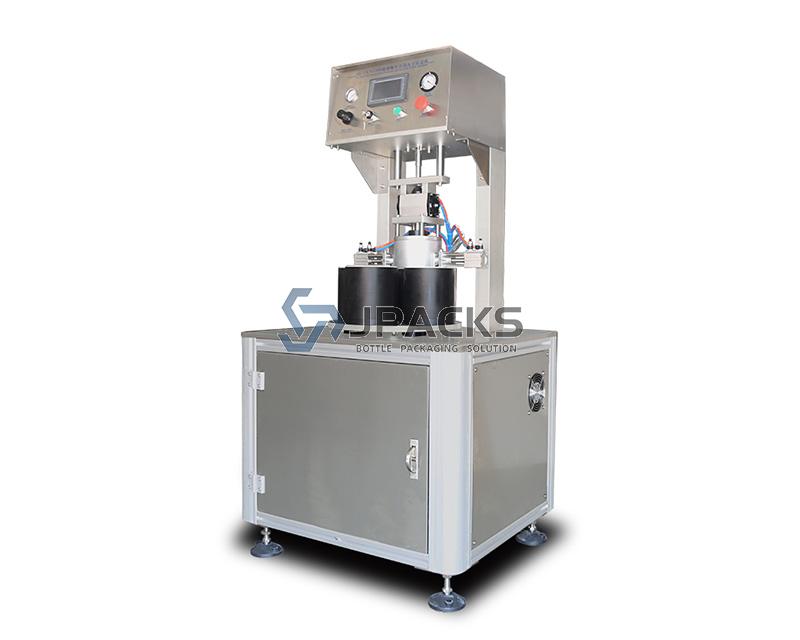
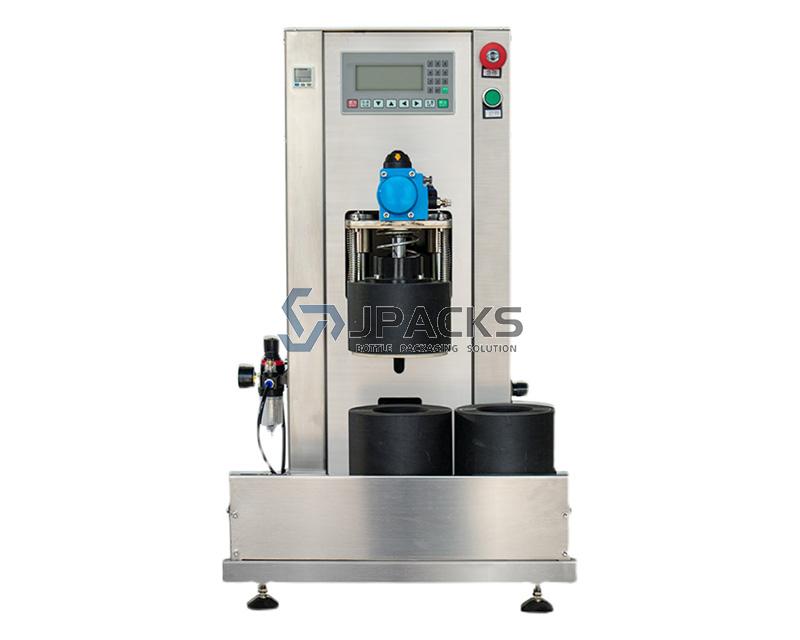
Semi-Automatic Benchtop Machines: These are a step up. An operator places a container under the capping head, and the machine automatically spins and tightens the cap. Ideal for small to medium businesses.
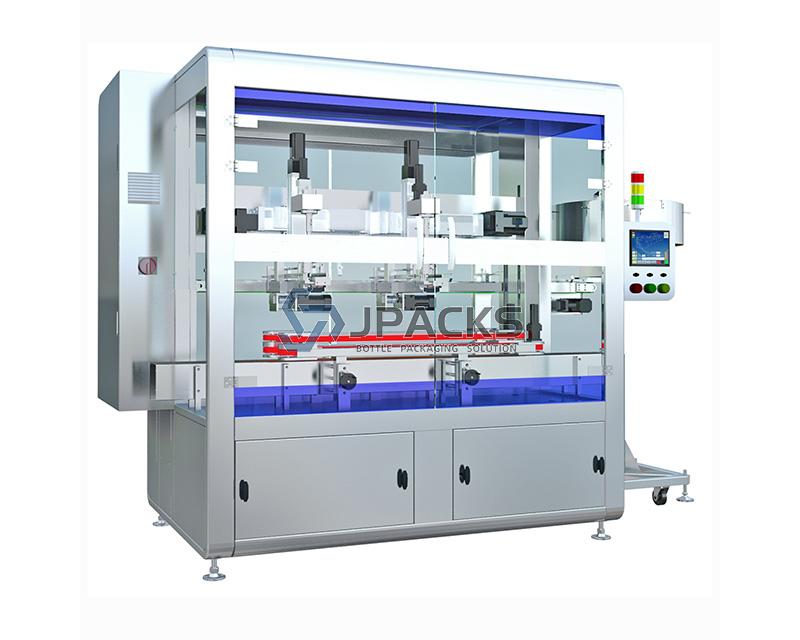
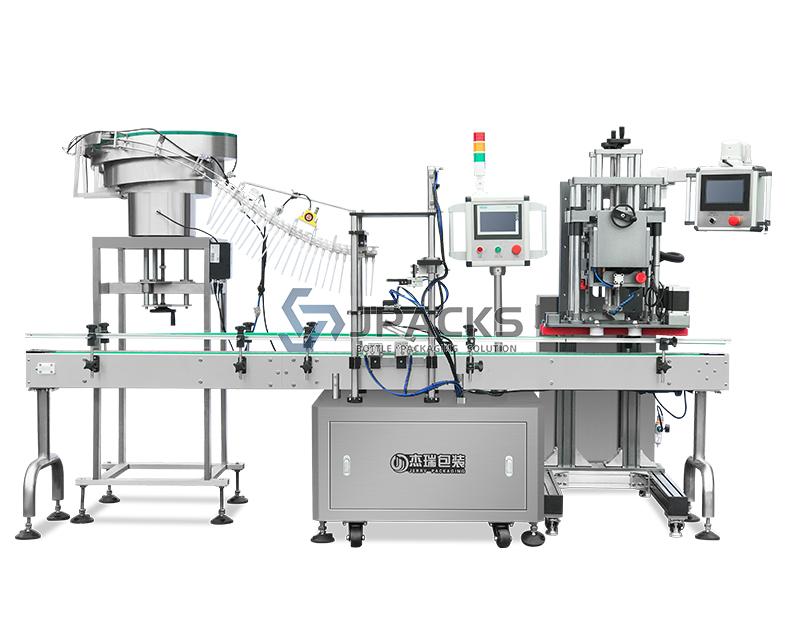
Fully Automatic In-Line Machines: These are the workhorses of high-volume production lines. They are integrated into a conveyor system where containers are fed automatically. They pick up caps from a sorting system (a cap feeder or cap sorter), place them on the containers, and torque them without any human intervention, achieving very high speeds.
2. By Capping Technology and Mechanism:
The choice of mechanism depends on the cap type.
Chuck Cappers: The most common type. They use a rotating head (the chuck) that grips the cap and spins it onto the container. The chuck is often spring-loaded to apply consistent downward pressure and is designed to disengage once the preset torque is reached. Ideal for a wide range of screw caps.
Spindle Cappers: Feature multiple rotating spindles on a carousel, allowing several containers to be capped simultaneously as they rotate on the conveyor, significantly increasing throughput.
Roll-On Cappers: Used specifically for aluminum caps on glass bottles (common in the beverage industry). The machine places a plain aluminum disc on the bottle neck. Then, rotating rollers mold the disc onto the bottle's thread, creating a custom-fit cap. This provides an excellent seal.
Snap Cappers: Designed for press-on, snap-fit lids (e.g., on yogurt pots, pill bottles). They use a simple pressing mechanism to apply the lid evenly.
Ropp Cappers (Press-On Twist-Off): Used for carbonated beverages in glass bottles that require a wirehood and a cork. They press the cork into the neck and then secure the wire hood over it.
Industries That Rely on Capping Machines
The application of capping machines is ubiquitous in any industry that packages goods in containers:
Food and Beverage: Water, juices, soft drinks, sauces, dairy products, jams, and oils.
Pharmaceutical and Medical: Syringes, pill bottles, IV bags, sample containers, and vaccine vials. Here, precision and sterility are non-negotiable.
Chemicals: Household cleaners, lubricants, industrial chemicals, and solvents where leak-proof seals are a safety imperative.
Cosmetics and Personal Care: Lotions, shampoos, serums, and perfumes, where preserving formula integrity and preventing evaporation is key.
Automotive: Products like motor oil and antifreeze.
In summary, a capping machine is far more than a simple device for closing containers. It is a sophisticated piece of engineering precision that serves the essential functions of preserving product quality, ensuring consumer safety, guaranteeing consistent quality control, and enabling the high-speed, cost-efficient production that defines modern commerce. By automating this critical step, capping machines protect the contents of the container, the brand's reputation, and ultimately, the end-user. They are, without exaggeration, an indispensable and silent guardian of the global supply chain.