



Guide to Chemical Filling Machines: Optimizing Production for Detergents and Soaps
 Mar 04, 2026|
 View:766
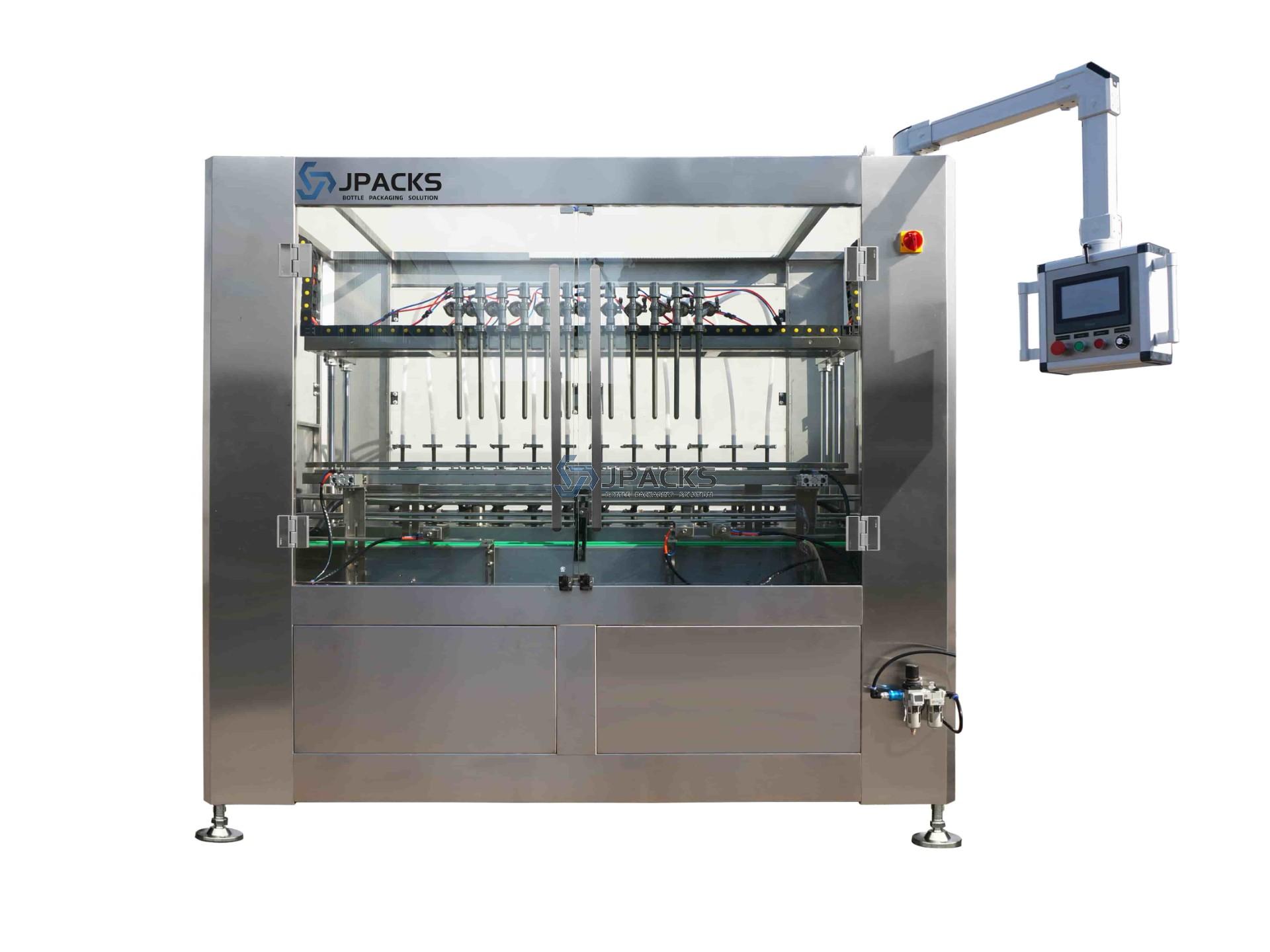
The chemical industry is a cornerstone of modern manufacturing, and at its heart lies the critical process of packaging. A chemical filling machine is not just a piece of equipment; it is the engine that drives efficiency, accuracy, and profitability in the production of household and industrial cleaning products. For manufacturers of dishwashing liquid, laundry detergent, hand soap, and other detergents, selecting the right filling technology is paramount to meeting market demands for quality, speed, and sustainability.
This comprehensive guide explores the advanced technologies, key features, and industry-specific applications that define modern chemical filling solutions, helping you make an informed decision for your production line.
Understanding Chemical Filling Machine Technologies
Chemical products vary widely in viscosity, corrosiveness, and foaming characteristics. The most effective chemical filling machine employs one of several core technologies to handle these challenges:
1. Piston Filling Technology
Ideal for viscous products like gels, creams, and thick liquids, piston fillers use a cylinder and piston mechanism to draw a precise volume of product and dispense it into containers. This technology is exceptionally accurate and is a top choice for hand soap filling machines and concentrated detergents filling machines where product consistency is critical.

2. Gravity Filling Technology
Best suited for free-flowing, low-viscosity liquids, gravity fillers rely on the natural flow of the product from a pressurized tank. This method is often used for water-based products and is common in dishwashing liquid filling machines where high-speed production is required.
3. Overflow Filling Technology
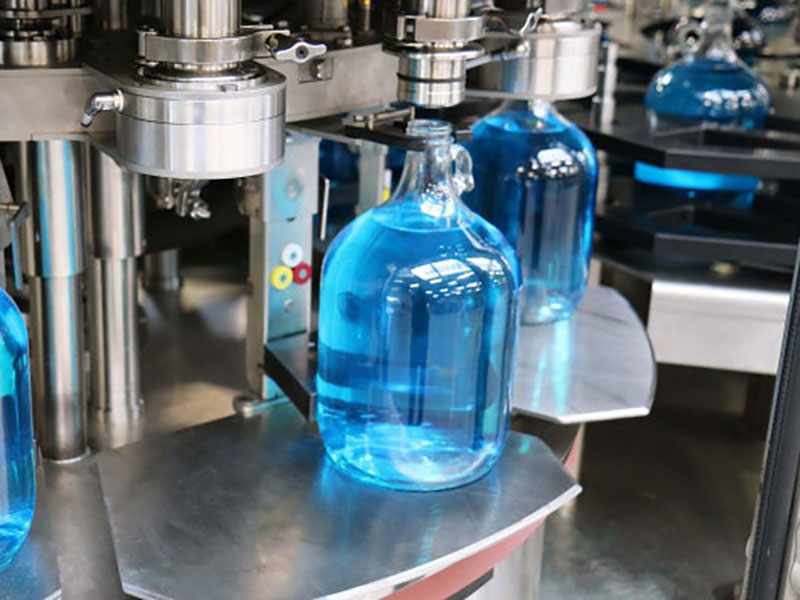
This method ensures a consistent fill level regardless of minor variations in container volume. It is perfect for transparent bottles where visual appeal is important, making it a standard for hand soap filling machines and premium laundry detergent filling machines.
4. Net Weight Filling Technology
For large-volume containers (e.g., 5-gallon pails or drums), net weight fillers use a scale to achieve the highest possible accuracy. This is essential for bulk chemical filling machines used in industrial settings.
Key Features of a High-Performance Chemical Filling Machine
When evaluating a chemical filling machine, look for these essential features that ensure reliability and ease of use:
Corrosion-Resistant Construction: The machine must be built from materials like SUS304 or SUS316 stainless steel to withstand harsh chemicals and meet hygiene standards (GMP).
PLC Control System: A programmable logic controller allows for easy adjustment of fill volumes, speeds, and recipes, facilitating quick changeovers between different products.
Touch Screen HMI: An intuitive human-machine interface empowers operators to monitor production, diagnose issues, and adjust settings without specialized technical knowledge.
No Drip, No Foam Filling: Advanced nozzles with vacuum suction or bottom-up filling capabilities prevent product waste and maintain a clean production environment, which is crucial for foamy dishwashing liquid.
Modular Design: The ability to add capping, labeling, and conveying modules transforms a standalone chemical filling machine into a complete automated production line.

Industry-Specific Applications: From Dish Soap to Laundry Detergent
Dishwashing Liquid Filling Machine
A dishwashing liquid filling machine must handle a product that is often viscous and prone to foaming. The ideal machine features:
Slow-Fast-Slow Filling: This technique minimizes foam generation by starting slowly, accelerating, and then slowing down again before the nozzle retracts.
Bottom-Up Filling: The nozzle descends into the bottle and fills from the bottom up, further reducing air entrapment and foam.
High-Speed Capability: To meet the high volume demand of consumer markets, these machines often operate at speeds of 200+ bottles per minute.
Laundry Detergent Filling Machine
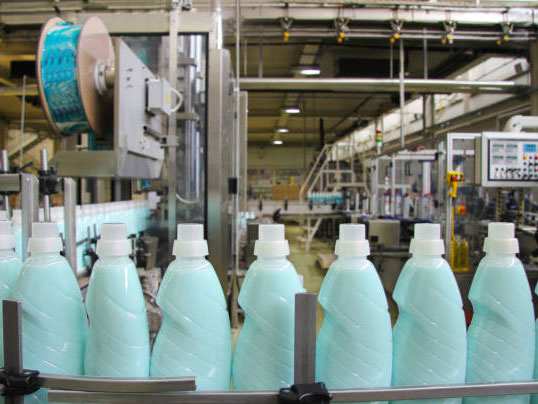
Laundry detergent comes in various forms, from thin liquids to thick gels and even pods. A versatile laundry detergent filling machine offers:
Viscosity Adaptability: The ability to adjust piston speed or pressure to accommodate different product consistencies without sacrificing accuracy.
Large Container Handling: Capability to fill from small 500ml bottles up to large 5-liter jugs commonly used in retail.
Robust Conveying: Strong enough to handle the weight of large, filled containers without jamming.
Hand Soap Filling Machine
Hygiene and aesthetics are paramount for hand soap. A dedicated hand soap filling machine typically includes:
Overflow Filling: To ensure every bottle has a perfectly level fill line, enhancing shelf appeal.
Gentle Handling: Mechanisms to prevent splashing or spilling, which is important for maintaining the clean appearance of the bottle and label.
Sanitary Design: Easy-to-clean surfaces and components to prevent bacterial growth and cross-contamination.
Market Trends Shaping the Future of Chemical Filling
The chemical filling machine market is evolving rapidly. Key trends include:
Automation and Industry 4.0: Machines are becoming smarter, with IoT connectivity for real-time monitoring, predictive maintenance, and data analytics to optimize Overall Equipment Effectiveness (OEE).
Sustainability: There is a growing demand for machines that minimize product waste (giveaway), reduce energy consumption, and support the use of recycled packaging materials.
Flexibility: Manufacturers need machines that can quickly switch between different bottle sizes and product types to accommodate small batch production and personalized products.
Choosing the Right Chemical Filling Machine Partner
Investing in a chemical filling machine is a significant decision. Look for a supplier with a proven track record in the chemical and detergent industries. They should offer comprehensive support, including custom engineering, installation, training, and readily available spare parts.
By understanding the technologies and features outlined in this guide, you can select a chemical filling machine that not only meets your current production needs but also scales with your business for future growth. Whether you are filling dishwashing liquid, laundry detergent, or hand soap, the right equipment is the key to a successful and profitable operation.