



The Evolution and Importance of Filling and Capping Machines
 Jun 10, 2025|
 View:616
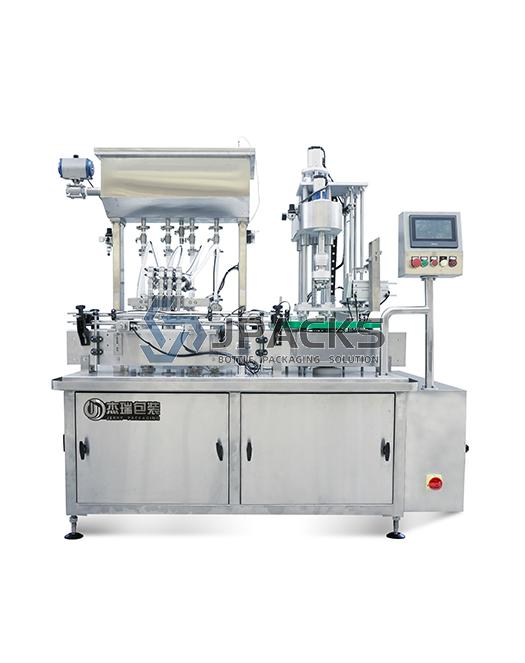
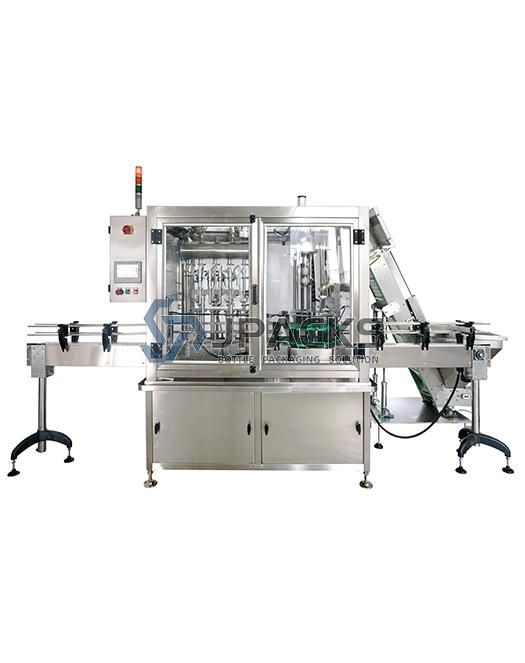
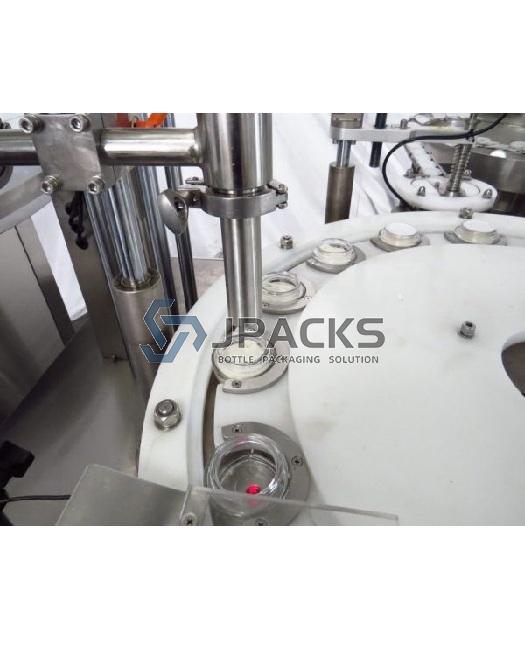
In today's fast-paced industrial landscape, filling and capping machines have become indispensable components of production lines across numerous industries. These specialized machines combine two critical packaging functions—accurately filling containers with products and securely sealing them with appropriate caps or closures. From pharmaceuticals to food and beverages, cosmetics to household chemicals, filling and capping systems ensure product integrity, maintain hygiene standards, and enable efficient mass production.
The global market for filling and capping equipment has grown exponentially in recent years, valued at approximately 5.2billionin2022andprojectedtoreach7.8 billion by 2028. This growth reflects increasing demand for packaged goods, stricter regulatory requirements, and the need for higher production speeds in competitive markets.
Types of Filling Machines
Modern filling machines employ various technologies to handle different product viscosities and container types:
1. Volumetric Fillers
These machines dispense products based on precise volume measurements. Piston fillers use cylindrical chambers and plungers to draw and discharge specific liquid volumes, ideal for viscous products like sauces or creams. Gravity fillers rely on product weight to fill containers, suitable for thin liquids with consistent viscosity.
2. Net Weight Fillers
For products where precise weight matters more than volume (such as expensive ingredients or products sold by weight), net weight fillers combine weighing scales with filling mechanisms. These systems first weigh the empty container, then fill while continuously monitoring weight until reaching the target.
3. Liquid Level Fillers
Common in beverage industries, these machines fill containers to a consistent level rather than by volume or weight. Sensors detect when liquid reaches the predetermined height, ensuring uniform appearance across packages.
4. Pressure Fillers
Used for carbonated beverages, these machines maintain pressure during filling to prevent CO2 loss and excessive foaming. The process involves pressurizing the bottle, filling under pressure, then gradually releasing pressure before capping.
Capping Machine Technologies
Capping machines must accommodate diverse closure types while ensuring secure seals:
1. Screw Capping Machines
The most common type handles twist-off caps through rotating heads that spin caps onto containers. Variations include chuck cappers for precise torque control and spindle cappers for high-speed applications.
2. Snap Capping Machines
Designed for press-on closures common in pharmaceutical and cosmetic packaging, these machines apply downward pressure to secure snap caps or child-resistant closures.
3. ROPP (Roll-On Pilfer Proof) Machines
Primarily used for liquor and premium products, ROPP machines form threaded aluminum caps around bottle necks while creating tamper-evident features.
4. Corking Machines
Specialized for wine and spirits, these insert natural or synthetic corks into bottle necks, often combining with foil applicators for complete closure systems.
Integrated Filling and Capping Systems
Modern production lines increasingly favor integrated machines that perform both functions in sequence:
1. Inline Systems
Containers move sequentially through filling then capping stations on a straight conveyor, allowing easy integration with other packaging equipment like labeling machines.
2. Rotary Systems
Containers rotate on a circular platform with filling and capping stations positioned around the circumference, enabling higher speeds for large production runs.
3. Monobloc Systems
Combining filling, capping, and sometimes additional functions (like labeling) in a single compact unit, these space-saving solutions minimize contamination risks in sterile environments.

Technological Advancements in Filling and Capping
Recent innovations have transformed filling and capping operations:
1. Smart Sensors and IoT Integration
Modern machines incorporate vision systems to detect cap placement, fill levels, and seal integrity. IoT connectivity enables real-time monitoring of machine performance and predictive maintenance.
2. Servo-Driven Mechanisms
Replacing traditional mechanical systems with servo motors allows precise control over filling volumes and capping torque with quick changeovers between products.
3. Aseptic Filling Technology
Advanced sterilization techniques combined with cleanroom-compatible designs enable filling of sterile products like injectable pharmaceuticals or long-life dairy products.
4. Sustainable Packaging Solutions
New machines accommodate eco-friendly packaging trends, handling biodegradable caps, lightweight containers, and alternative materials without compromising speed or reliability.
Industry-Specific Applications
Pharmaceutical Industry
Fillin
g and capping machines for pharmaceuticals must meet stringent GMP requirements. Features include:
Isolator technology to maintain sterile environments
100% inspection systems for particulate contamination
Tamper-evident and child-resistant capping options
Complete lot traceability through serialization
Food and Beverage Sector
Key considerations include:
CIP (Clean-in-Place) systems for hygiene
Compatibility with hot filling processes
Handling of carbonated products without excessive foaming
Quick changeovers between different container sizes
Cosmetic and Personal Care
Specialized machines handle:
Precise filling of expensive formulations
Decorative and premium closure types
Creams, gels, and other viscous products
Small batch production with frequent SKU changes
Choosing the Right Filling and Capping Solution
Selecting appropriate equipment requires evaluating multiple factors:
Product Characteristics: Viscosity, temperature sensitivity, foaming tendency, and whether it's sterile or non-sterile.
Container Types: Material (glass, plastic, metal), shape, opening size, and any special features.
Production Requirements: Desired output speed, changeover frequency, and available floor space.
Regulatory Compliance: Industry-specific standards for hygiene, accuracy, and safety.
Budget Considerations: Initial investment versus long-term operational costs and maintenance requirements.
Maintenance and Operational Best Practices
To maximize equipment lifespan and performance:
Implement regular preventive maintenance schedules
Train operators on proper machine handling and troubleshooting
Maintain an inventory of frequently worn parts
Keep detailed records of maintenance activities and performance metrics
Regularly calibrate filling accuracy and capping torque settings
Follow manufacturer-recommended lubrication and cleaning procedures
Future Trends in Filling and Capping Technology
Emerging developments include:
Artificial Intelligence Integration: Machine learning algorithms optimizing filling parameters in real-time and predicting maintenance needs.
Advanced Robotics: Collaborative robots assisting with changeovers and handling irregularly shaped containers.
Blockchain Traceability: Recording filling and capping data on blockchain for enhanced supply chain transparency.
Nanotechnology Coatings: Surfaces that resist product buildup and enable easier cleaning.
Energy-Efficient Designs: Reduced power consumption through optimized motor systems and regenerative braking.
Filling and capping machines represent a critical intersection of precision engineering, materials science, and production efficiency. As consumer demands evolve and regulatory requirements tighten, these machines continue advancing to meet new challenges. From ensuring medication safety to preserving food quality and enabling sustainable packaging solutions, filling and capping technologies play a vital role in global supply chains. Manufacturers investing in modern, adaptable systems position themselves to compete in increasingly demanding markets while maintaining the highest standards of product quality and safety.
The future of filling and capping technology promises even greater integration with Industry 4.0 systems, smarter automation, and enhanced sustainability—developments that will continue transforming packaging operations across all industries that rely on precise, efficient container filling and sealing solutions.