



What is an Automatic Filling Machine?
 Jun 23, 2025|
 View:856
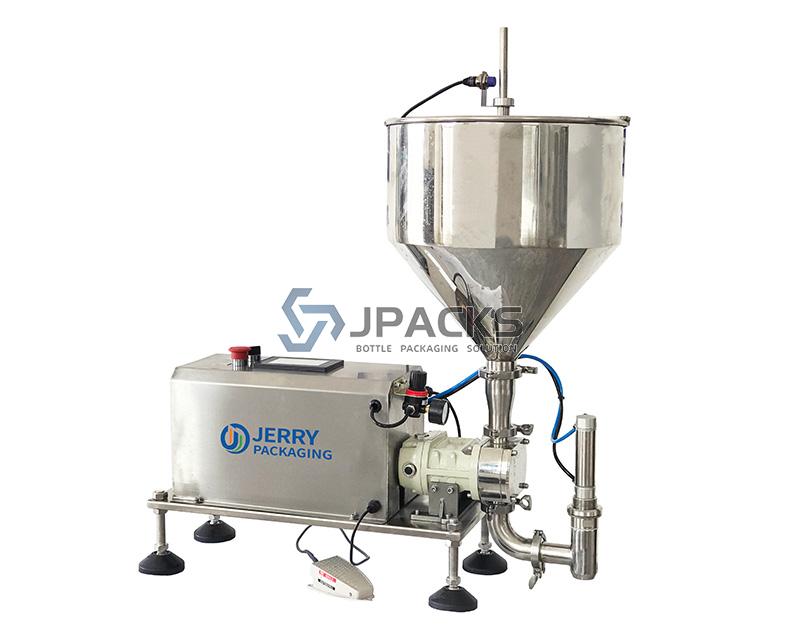
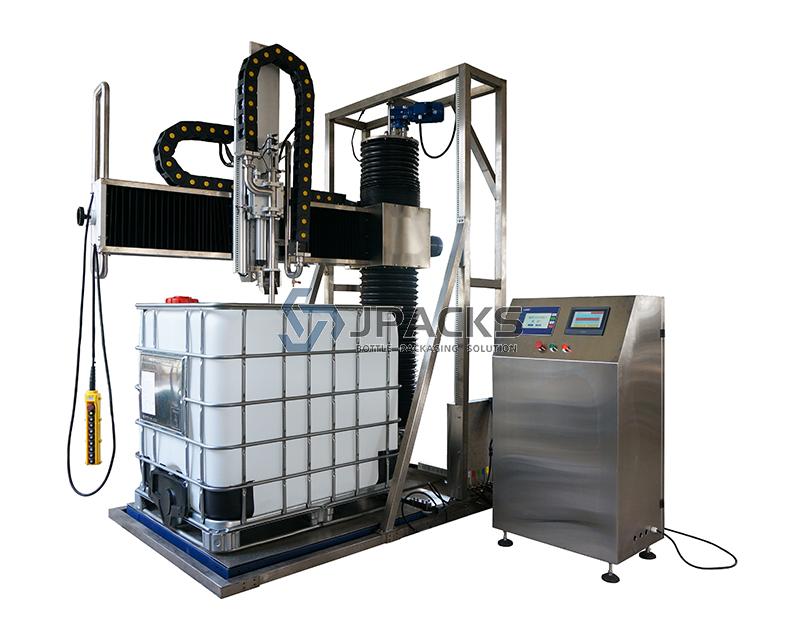
An automatic filling machine is an industrial device designed to accurately fill various types of containers with liquids, powders, granules, or semi-solid products without requiring constant human intervention. These sophisticated machines have revolutionized production lines across multiple industries by significantly increasing efficiency, improving accuracy, and reducing labor costs.
Automatic fillers represent a critical component in modern manufacturing and packaging operations, enabling high-speed, consistent filling operations that would be impossible to achieve manually. From pharmaceutical companies to food and beverage producers, cosmetic manufacturers to chemical plants, automatic filling systems have become indispensable in today's industrial landscape.
How Automatic Filling Machines Work
Basic Operational Principles
Automatic filling machines operate through a coordinated series of mechanical and often computerized processes:
Container Positioning: Empty containers are fed into the machine via conveyor belts or other feeding mechanisms
Product Measurement: The machine precisely measures the required amount of product
Filling Process: The measured product is dispensed into the waiting container
Sealing/Capping: Many automatic fillers include subsequent steps like capping or sealing
Ejection: Filled containers are moved out of the machine for further processing or packaging
Key Components
A typical automatic filling system consists of several essential components:
Product hopper/reservoir: Holds the material to be dispensed
Filling nozzles: Deliver the product into containers
Measuring system: Volumetric pumps, weigh scales, or flow meters for accuracy
Conveyor system: Transports containers through the filling process
Control panel: Allows operators to set parameters and monitor operations
Sensors and safety features: Ensure proper operation and prevent errors
Types of Automatic Filling Machines
Based on Product Type
Liquid Filling Machines
Used for water, oils, juices, chemicals, and other free-flowing liquids
Subtypes include gravity fillers, piston fillers, and overflow fillers
Powder Filling Machines
Designed for dry powders like flour, spices, pharmaceuticals, and chemicals
Often use auger systems or vacuum technology for precise measurement
Semi-solid/Paste Filling Machines
Handle viscous products like creams, gels, sauces, and adhesives
Typically employ piston or peristaltic pump mechanisms
Granule Filling Machines
For products like grains, seeds, or small solid pieces
Use volumetric cup or weigh scale systems
Based on Automation Level
Semi-Automatic Fillers
Require some manual intervention (container placement, startup)
Suitable for small to medium production volumes
Fully Automatic Fillers
Completely automated from container feeding to ejection
Integrated into complete packaging lines
Handle very high production speeds
Inline vs. Rotary Fillers
Inline machines fill containers in a straight line
Rotary machines fill containers moving on a circular platform for higher speeds
Based on Measurement Technology
Volumetric Fillers
Measure product by volume using pistons, pumps, or timed flows
Common for liquids and free-flowing products
Gravimetric Fillers
Measure product by weight using precision scales
Essential for products where density may vary
Net Weight Fillers
Weigh the container before and after filling
Most accurate but slower than other methods
Applications Across Industries
Food and Beverage Industry
Automatic filling machines are extensively used for:
Bottling water, juices, and soft drinks
Packaging milk and dairy products
Filling cooking oils, sauces, and condiments
Packaging powdered foods like flour, sugar, and spices
Filling alcoholic beverages into various container types
Pharmaceutical and Medical
Critical applications include:
Precise filling of liquid medicines and syrups
Sterile filling of injectable medications
Packaging pills and tablets into bottles or blister packs
Dispensing medical creams and ointments
Cosmetics and Personal Care
Automatic fillers handle:
Lotions, shampoos, and shower gels
Perfumes and colognes
Creams and cosmetic products
Small packages like lipsticks and compacts
Chemical and Industrial
Important for:
Household cleaning products
Industrial chemicals and solvents
Paints, adhesives, and lubricants
Agricultural chemicals and fertilizers

Advantages of Automatic Filling Machines
Increased Production Efficiency
Higher speeds: Can fill hundreds or thousands of containers per hour
Continuous operation: Can run 24/7 with minimal downtime
Reduced changeover times: Quick adjustments between different products or container sizes
Improved Accuracy and Consistency
Precise measurements: Typically within ±0.5-1% of target volume/weight
Uniform fills: Eliminates human error and variation
Reduced product waste: Accurate fills mean less giveaway
Enhanced Safety and Hygiene
Minimized human contact: Reduces contamination risks
Controlled environments: Can operate in clean rooms or sterile conditions
Safety features: Protect operators from hazardous products
Cost Savings
Lower labor requirements: One operator can manage multiple machines
Reduced material costs: Precise filling minimizes product waste
Fewer errors: Decreases costly rework or product recalls
Selection Criteria for Automatic Filling Machines
When choosing an automatic filling system, manufacturers must consider:
Product Characteristics
Viscosity, density, and flow properties
Temperature sensitivity
Foaming or aeration tendencies
Corrosiveness or abrasiveness
Container Specifications
Size, shape, and opening dimensions
Material (glass, plastic, metal)
Rigidity and structural integrity
Production Requirements
Required output speed (containers per minute/hour)
Batch sizes and changeover frequency
Future scalability needs
Environmental Factors
Clean room requirements
Explosion-proof needs for flammable products
Washdown requirements for food/pharma applications
Budget Considerations
Initial machine cost
Installation and training expenses
Long-term maintenance and operating costs
Maintenance and Troubleshooting
Routine Maintenance
Proper maintenance is crucial for optimal performance:
Regular cleaning of product contact surfaces
Lubrication of moving parts as specified
Nozzle and seal inspections/replacements
Calibration checks for measuring systems
Software updates for computerized controls
Common Issues and Solutions
Inconsistent Fill Volumes
Check for clogged nozzles or filters
Verify proper product viscosity/temperature
Recalibrate measuring system
Leakage or Dripping
Inspect and replace worn seals
Adjust nozzle shut-off mechanisms
Check product viscosity and nozzle size compatibility
Machine Jams or Stops
Clear container jams in conveyor
Verify proper container feeding
Check sensor alignment and functionality
Reduced Speed or Efficiency
Clean and lubricate moving parts
Verify proper air pressure (for pneumatic machines)
Check for motor or drive issues
Future Trends in Automatic Filling Technology
The automatic filling machine industry continues to evolve with several emerging trends:
Smart and Connected Systems
IoT integration: Real-time monitoring and data collection
Predictive maintenance: Sensors detect potential issues before failures occur
Remote diagnostics and support: Technicians can troubleshoot remotely
Advanced Robotics
Collaborative robots (cobots): Working alongside humans for flexible operations
Adaptive grippers: Handling diverse container shapes and sizes
Vision systems: For precise container positioning and quality checks
Sustainable Solutions
Energy-efficient designs: Reducing power consumption
Material-saving technologies: Minimizing product waste
Easier cleaning systems: Reducing water and chemical usage
AI and Machine Learning
Self-optimizing systems: Automatically adjusting parameters for best performance
Quality control automation: Instant detection of filling errors
Adaptive learning: Improving performance based on historical data
Automatic filling machines represent a cornerstone of modern industrial packaging, offering unparalleled efficiency, accuracy, and reliability compared to manual filling methods. As technology continues to advance, these machines are becoming smarter, more adaptable, and more integrated into complete production ecosystems.
From small artisanal producers to multinational corporations, businesses across the spectrum are benefiting from automated filling solutions tailored to their specific needs. The ongoing development of filling technology promises even greater precision, flexibility, and connectivity in the years to come, ensuring that automatic filling machines will remain vital tools for manufacturers worldwide.
Whether handling delicate pharmaceuticals, viscous food products, volatile chemicals, or any material in between, there exists an automatic filling solution designed to meet the challenge while maximizing productivity and minimizing costs. As industries continue to demand higher standards of quality, efficiency, and traceability, the role of automatic filling machines will only grow in importance within global supply chains.