



What is overflow filling?
 Jul 16, 2025|
 View:681
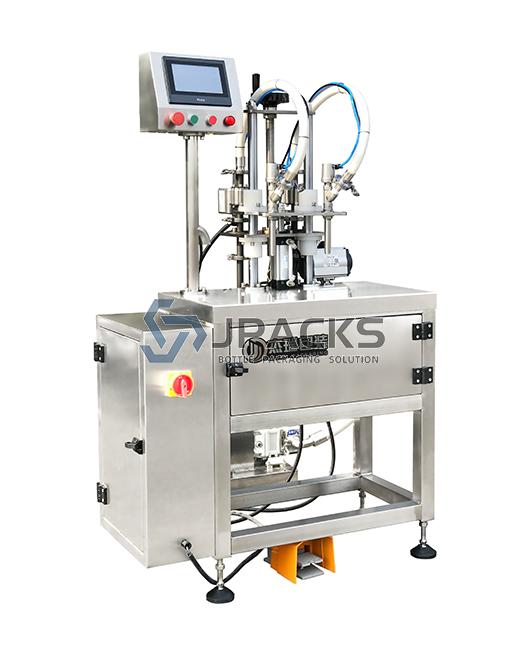
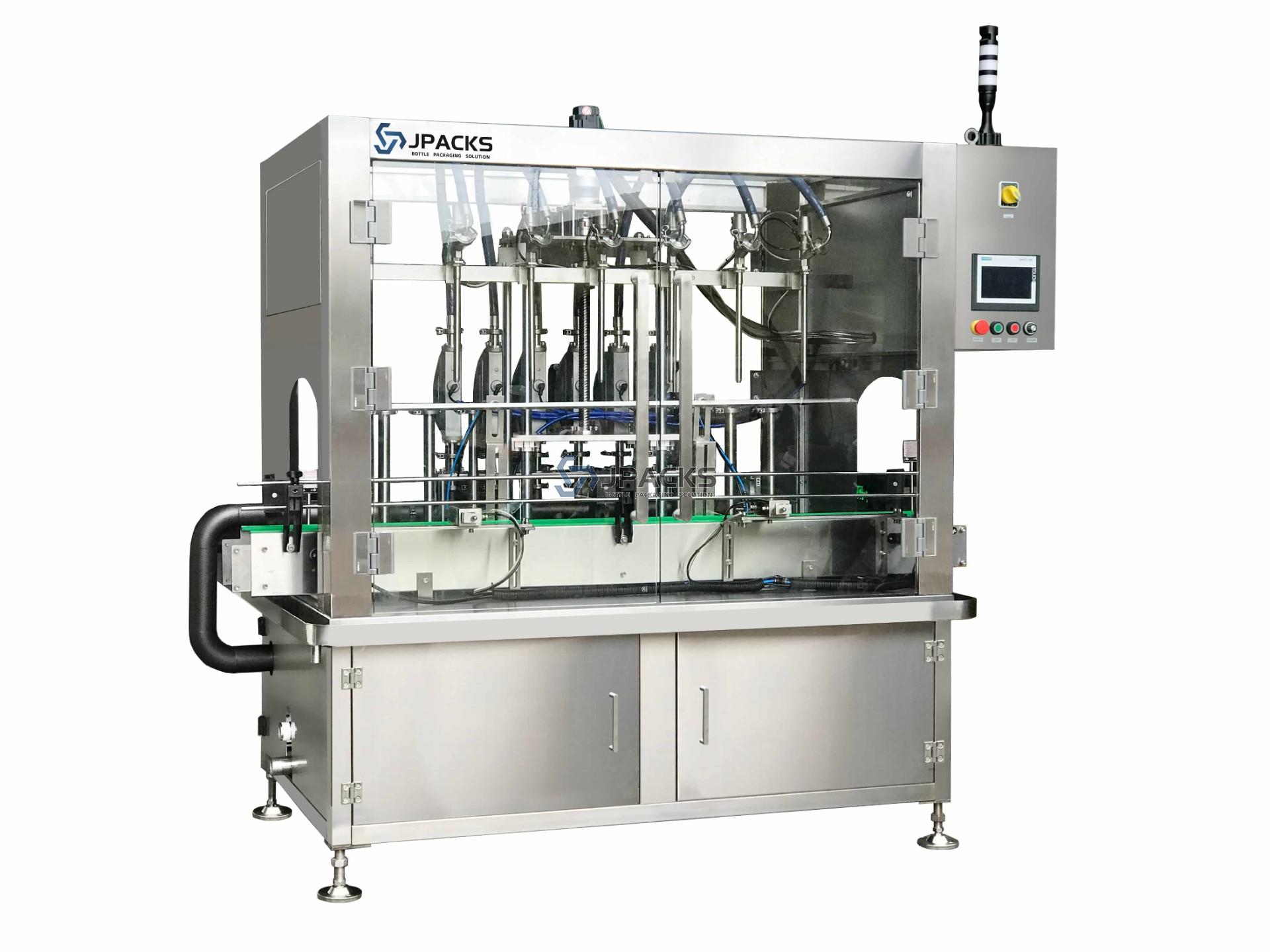
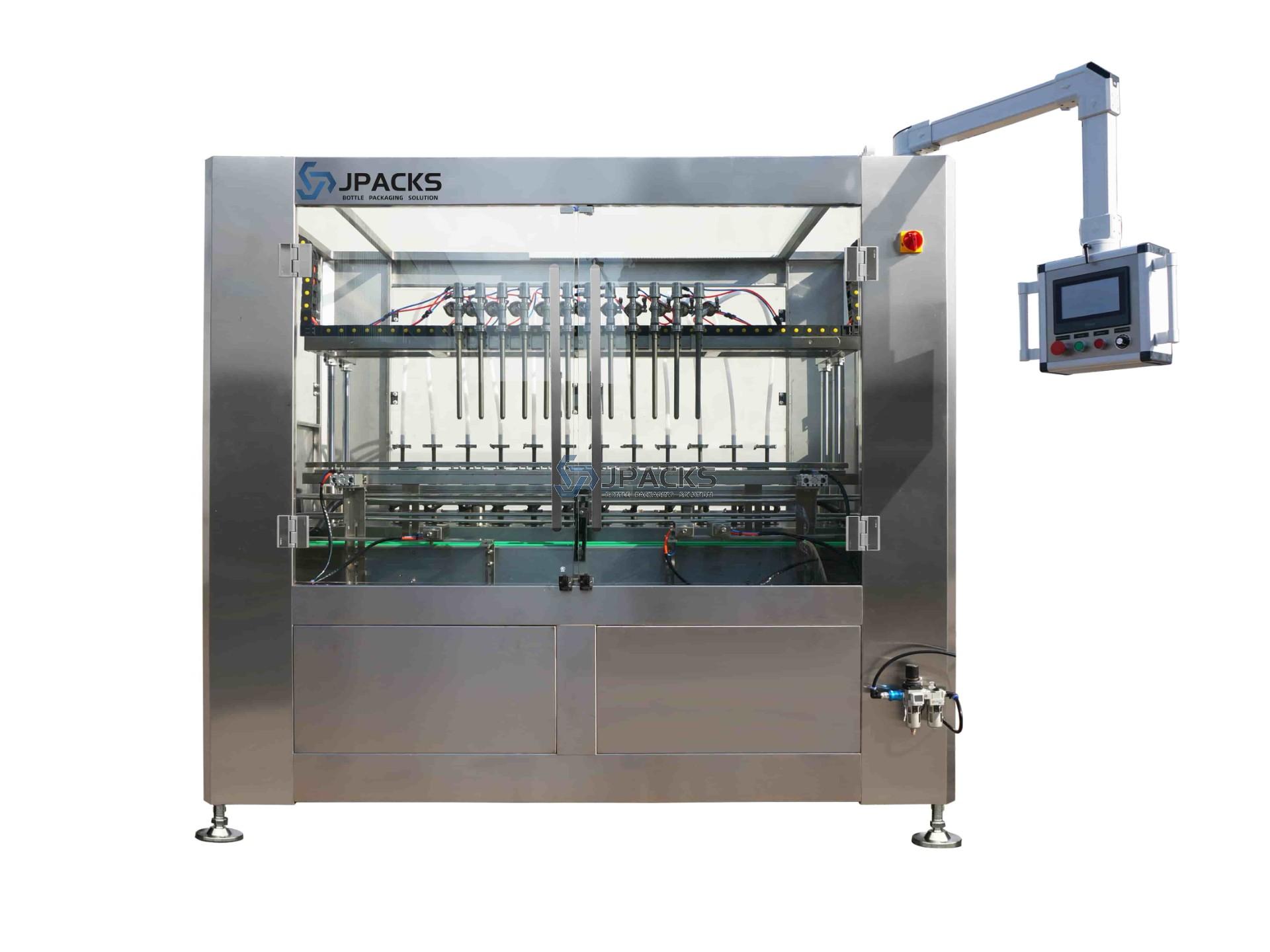
Overflow filling is a widely used industrial process for accurately dispensing liquids into containers. It is particularly common in industries such as food and beverage, pharmaceuticals, cosmetics, and chemicals. The method ensures consistent fill levels by allowing excess liquid to overflow, guaranteeing uniformity across all containers. This article explores the principles of overflow filling, its applications, advantages, disadvantages, and key considerations for implementation.
Principles of Overflow Filling
Overflow filling operates on a simple yet effective principle: containers are filled until liquid reaches a predetermined level, at which point excess product flows out through an overflow mechanism. The process typically involves the following steps:
Container Positioning – The container is placed under the filling nozzle, often using a conveyor system for automated production lines.
Nozzle Insertion – The filling nozzle is lowered into the container, ensuring a tight seal to prevent leaks.
Liquid Dispensing – The liquid is pumped into the container at a controlled rate.
Overflow Activation – Once the liquid reaches the overflow port, excess product drains away, ensuring a consistent fill level.
Drainage and Removal – The nozzle retracts, and the filled container moves to the next stage (e.g., capping or labeling).
This method is especially useful for foamy liquids (e.g., beer, shampoo) or viscous products (e.g., sauces, creams), where traditional filling methods may lead to inconsistencies.
Applications of Overflow Filling
Overflow filling is employed across multiple industries due to its precision and adaptability. Key applications include:
1. Food and Beverage Industry
Beer and Carbonated Drinks – Ensures consistent fill levels despite foam formation.
Sauces and Dressings – Maintains uniform quantities in bottles and jars.
Dairy Products – Used for yogurt, cream, and liquid cheese packaging.
2. Pharmaceutical and Cosmetic Industry
Lotions and Shampoos – Prevents underfilling due to product viscosity.
Medicated Syrups – Ensures accurate dosing in pharmaceutical packaging.
3. Chemical and Household Products
Detergents and Cleaners – Provides uniform fills for consumer products.
Lubricants and Oils – Used for high-precision filling in industrial packaging.
Advantages of Overflow Filling
High Accuracy – Eliminates variations in fill levels, ensuring compliance with industry standards.
Suitable for Foamy Liquids – Effectively manages foam by allowing it to escape through the overflow.
Versatility – Works with a wide range of container shapes and sizes.
Reduced Waste – Excess product can often be recovered and reused, minimizing losses.
Automation-Friendly – Easily integrated into high-speed production lines.

Disadvantages and Challenges
Despite its benefits, overflow filling has some limitations:
Product Loss – Some liquid is inevitably lost during overflow, especially with foamy products.
Cleaning Requirements – Overflow systems require frequent cleaning to prevent contamination.
Not Ideal for All Liquids – Highly viscous or particulate-laden fluids may clog overflow ports.
Initial Setup Costs – Specialized equipment may be more expensive than standard filling machines.
Key Considerations for Implementing Overflow Filling
To maximize efficiency and product quality, manufacturers should consider the following factors:
1. Liquid Properties
Viscosity – Thicker liquids may require modified nozzle designs.
Foamability – Highly foamy products need optimized overflow drainage.
Temperature Sensitivity – Some liquids (e.g., chocolate) may require temperature-controlled filling.
2. Container Design
Neck Size – Must accommodate the filling nozzle and overflow mechanism.
Material – Glass, plastic, and metal containers may require different sealing techniques.
3. Production Speed
High-speed lines may need advanced overflow systems to prevent splashing or incomplete fills.
4. Regulatory Compliance
Industries like pharmaceuticals must adhere to strict fill-level regulations (e.g., FDA, EU standards).
5. Maintenance and Hygiene
Regular cleaning and sanitation are crucial, especially in food and pharmaceutical applications.
Innovations in Overflow Filling Technology
Recent advancements have improved overflow filling efficiency and sustainability:
Automated Recovery Systems – Recapture and reuse overflow liquid to minimize waste.
Smart Sensors – Detect fill levels in real-time, adjusting flow rates dynamically.
Hygienic Design Improvements – Easier-to-clean components reduce downtime.
Eco-Friendly Materials – Use of recyclable or biodegradable overflow components.
Overflow filling is a reliable and precise method for liquid packaging, particularly in industries where fill consistency is critical. While it presents some challenges, such as product loss and maintenance requirements, its benefits—especially for foamy or viscous liquids—make it indispensable in modern manufacturing. By carefully selecting equipment, optimizing container design, and adhering to industry standards, businesses can leverage overflow filling to enhance product quality and operational efficiency.