



Introduction to Modern Liquid Soap Filling Technology
 Aug 05, 2025|
 View:518
The liquid soap industry has experienced tremendous growth in recent years, driven by increasing hygiene awareness and consumer demand for diverse product offerings. At the heart of this industry's production capabilities lies the liquid soap filling machine—a sophisticated piece of equipment that has undergone significant technological transformation. Today's filling machines combine precision engineering with smart automation to deliver unprecedented efficiency, accuracy, and flexibility in liquid soap packaging operations.
Modern liquid soap filling machines represent a far cry from their manual predecessors, incorporating advanced features such as programmable logic controllers (PLCs), touchscreen interfaces, servo-driven mechanisms, and integrated quality control systems. These technological advancements have enabled manufacturers to meet growing market demands while maintaining strict quality standards and optimizing production costs.
Key Components and Working Principles
1. Automated Bottle Handling Systems
Contemporary liquid soap filling machines begin with sophisticated bottle handling systems that automatically feed, orient, and position containers for filling. These systems typically include:
Infeed conveyors with adjustable guides to accommodate various bottle sizes
Bottle unscramblers that automatically organize randomly oriented containers
Starwheel mechanisms that precisely transfer bottles between stations
Neck grippers that stabilize containers during high-speed filling operations
The latest generation of handling systems incorporates machine vision technology to detect and reject improperly oriented or defective containers before they enter the filling zone.

2. Precision Filling Mechanisms
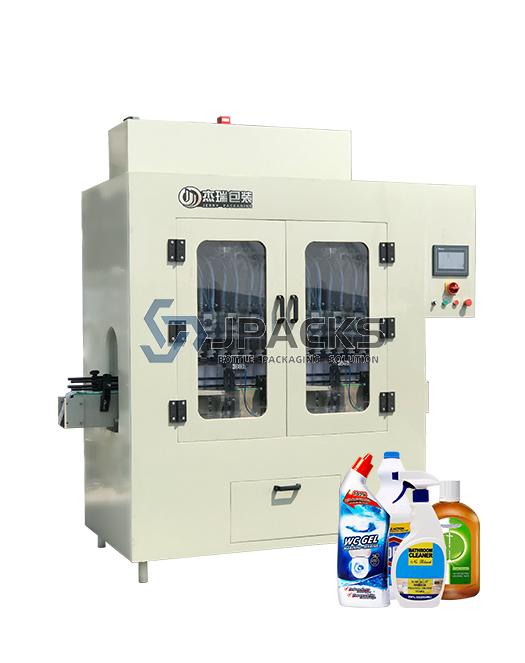
The core of any liquid soap filling machine is its filling technology, with several options available depending on product characteristics:
Piston fillers: Ideal for thick, viscous formulations like hand soaps and lotions
Peristaltic pump fillers: Excellent for shear-sensitive products and clean-in-place requirements
Gravity fillers: Suitable for low-viscosity liquid soaps with consistent flow properties
Volumetric cup fillers: Effective for foaming liquid soap products
Modern machines often feature servo-driven filling heads that provide exceptional accuracy (±0.5% or better) and rapid changeover between different fill volumes. Many systems now include automatic viscosity compensation to maintain consistent fill volumes regardless of product temperature or formulation variations.
3. Capping and Sealing Stations
Following filling, advanced machines incorporate various capping solutions:
Screw cappers for threaded closures
Snap cappers for press-fit lids
Pump cappers for aerosol and foam dispensers
Tamper-evident band applicators for security seals
The newest capping technologies utilize torque monitoring systems to ensure proper closure tightness while preventing overtightening that could damage containers or closures.

4. Labeling and Coding Integration
Many modern liquid soap filling lines incorporate integrated labeling systems that apply product information, barcodes, and batch codes immediately after filling. Advanced features include:
High-resolution inkjet coders for expiration dates and lot numbers
Thermal transfer overprinters for variable data
RFID tag applicators for smart packaging solutions
Vision verification systems to confirm label placement and legibility
Technological Advancements in Liquid Soap Filling
1. Smart Automation and Industry 4.0 Integration
The most significant advancement in liquid soap filling technology is the integration of Industry 4.0 principles:
IoT connectivity enables real-time monitoring of machine performance and predictive maintenance
Cloud-based data analytics provide insights into production efficiency and quality trends
Remote diagnostics allow technicians to troubleshoot issues without physical presence
Digital twin technology creates virtual models for performance optimization
These smart features minimize downtime, improve overall equipment effectiveness (OEE), and enable data-driven decision making.

2. Sustainable and Eco-Friendly Design
Manufacturers are increasingly demanding filling machines that support sustainability initiatives:
Reduced energy consumption through efficient servo motors and smart power management
Material savings with precision filling that minimizes product waste
Waterless cleaning systems that reduce resource consumption
Compatibility with recycled materials in both containers and closures
Newer machines also facilitate the use of concentrated soap formulations and refill packages that reduce plastic waste.
3. Enhanced Flexibility and Quick Changeover
The growing variety of liquid soap packaging formats has driven innovations in machine flexibility:
Tool-less changeovers that can switch between bottle sizes in minutes
Auto-adjusting mechanisms that detect container dimensions and adapt accordingly
Modular designs that allow easy integration of additional functions
Recipe management systems that store parameters for different products
Some advanced models can handle containers ranging from small 30ml travel sizes to large 5-liter refill pouches on the same platform.

4. Advanced Hygiene and Sanitation Features
Given the nature of personal care products, modern filling machines incorporate numerous hygienic design elements:
FDA-compliant materials for all product-contact surfaces
CIP (Clean-in-Place) systems for automated sanitation
Drainage optimization to prevent liquid pooling
Quick-disassembly components for thorough cleaning
Antimicrobial coatings on critical surfaces
These features are particularly crucial for soap products marketed as antibacterial or sterile.
Selection Criteria for Liquid Soap Filling Machines
When evaluating liquid soap filling equipment, manufacturers should consider several key factors:
1. Production Requirements
Output speed: Ranging from 20 to 400+ containers per minute
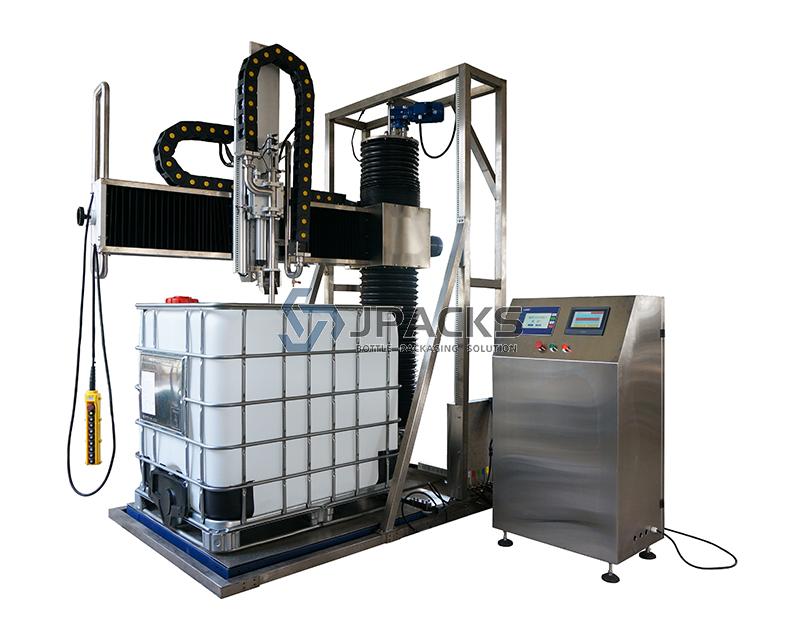
Container types: Bottles, pouches, bags, or bulk containers
Closure types: Screw caps, flip tops, pumps, or sprayers
Product characteristics: Viscosity, foamability, and sensitivity
2. Accuracy and Precision Needs
Fill volume consistency requirements
Tolerances for underfills and overfills
Drip prevention mechanisms
Product recovery systems
3. Operational Considerations
Floor space availability
Utility requirements (air, water, power)
Staff skill level for operation and maintenance
Regulatory compliance needs (FDA, GMP, etc.)
4. Future-Proofing Features
Scalability for future production increases
Upgradeability for new technologies
Compatibility with existing production lines
Adaptability to new packaging trends

Maintenance and Optimization Best Practices
To maximize the performance and longevity of liquid soap filling machines, implement these maintenance strategies:
Preventive maintenance schedules: Regular lubrication, belt tension checks, and seal inspections
Calibration routines: Periodic verification of fill volumes, capping torque, and label placement
Component lifecycle management: Timely replacement of wear parts like O-rings and gaskets
Operator training programs: Ensuring proper use and basic troubleshooting capabilities
Spare parts inventory: Maintaining critical components to minimize downtime
Advanced predictive maintenance using vibration analysis, thermal imaging, and performance trending can further enhance reliability.
Emerging Trends in Liquid Soap Filling Technology
The liquid soap filling machine market continues to evolve with several notable trends:
Artificial Intelligence Integration: Machine learning algorithms optimizing fill parameters in real-time
Robotic Integration: Collaborative robots (cobots) handling secondary packaging operations
Nanotechnology Coatings: Ultra-smooth surfaces that prevent product buildup and improve cleaning
Augmented Reality Interfaces: AR guides for machine setup, maintenance, and troubleshooting
Blockchain Connectivity: Secure tracking of production data for quality assurance and recalls
Additionally, the growing demand for personalized and small-batch soap products is driving development of compact, flexible filling systems suitable for craft producers and niche markets.
The liquid soap filling machine has transformed from a simple mechanical device to a highly sophisticated, digitally integrated packaging solution. Today's equipment offers manufacturers unparalleled precision, efficiency, and adaptability to meet the dynamic demands of the personal care market. As technology continues to advance, we can expect even greater levels of automation, intelligence, and sustainability in liquid soap filling systems.