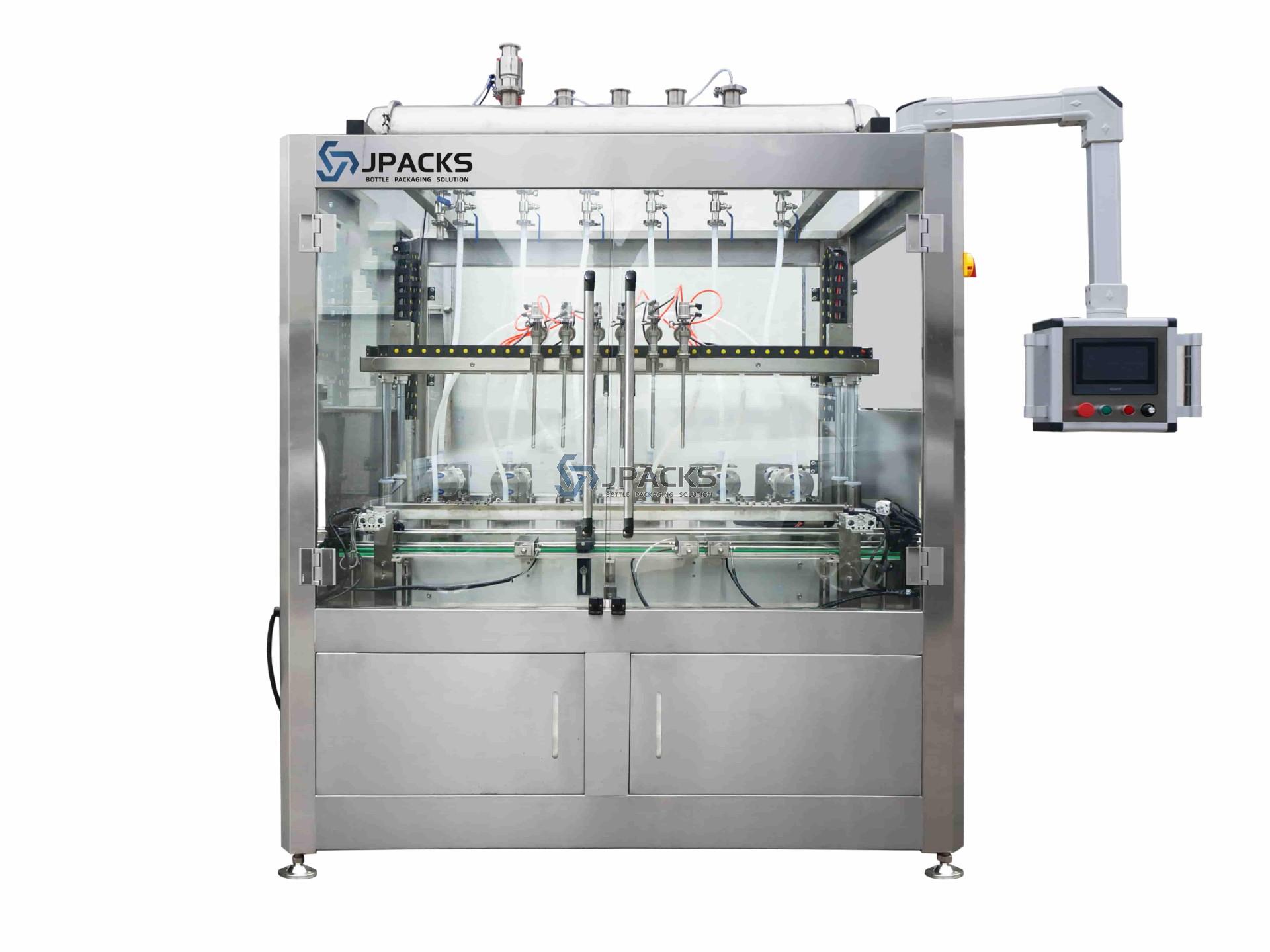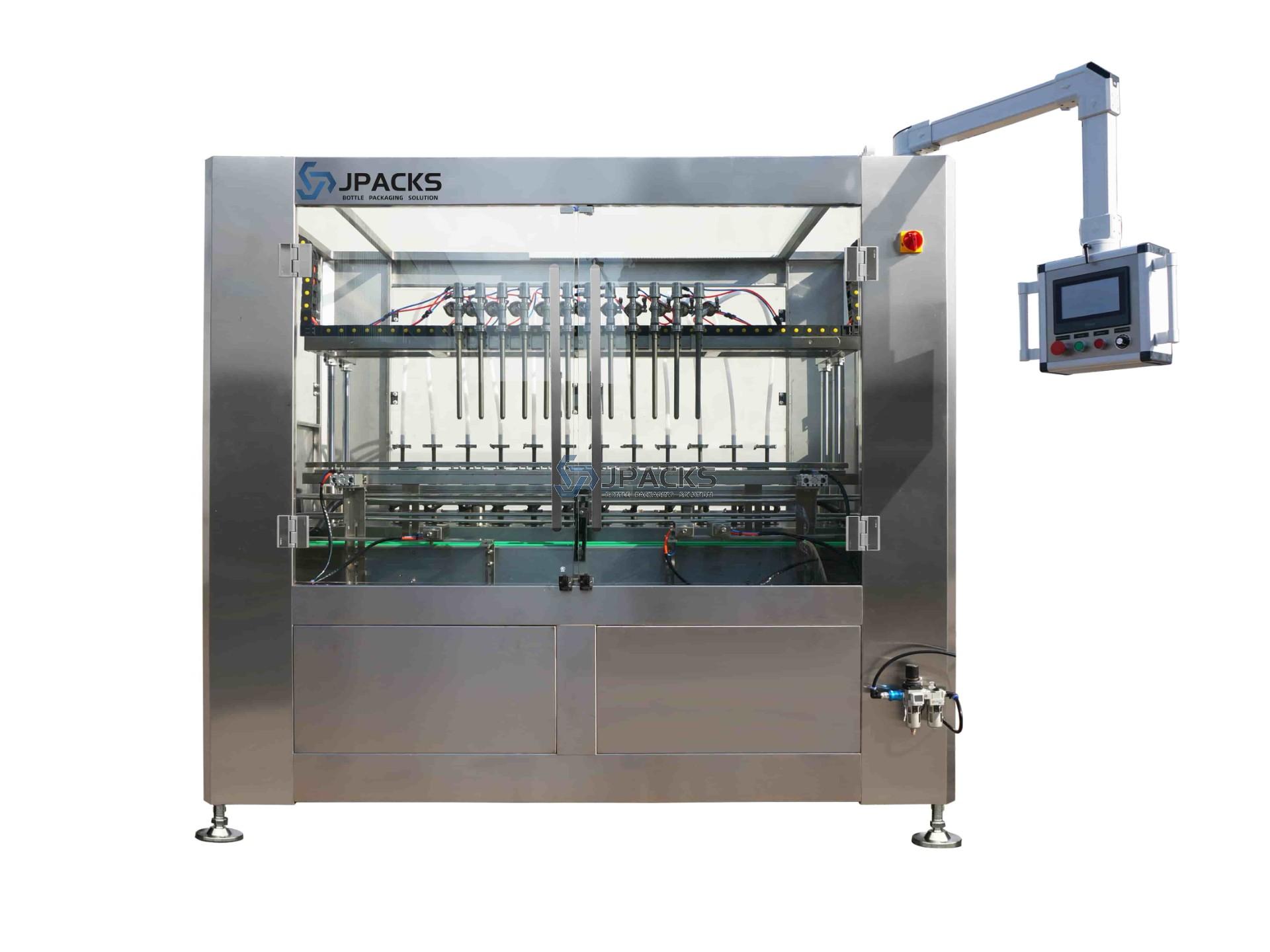




How to choose a liquid filling machine?
 Jul 25, 2025|
 View:1140
The liquid filling machine is far more than just a component on a production line; it's the critical heart of countless manufacturing processes across industries like food and beverage, pharmaceuticals, cosmetics, chemicals, and household goods. Choosing the right one isn't a simple matter of picking the biggest or the fastest. It’s a complex engineering and strategic decision demanding a thorough analysis of your product, your process, and your business goals. The wrong choice can lead to significant losses through product waste, production bottlenecks, contamination risks, or regulatory non-compliance. This guide dives deep into the multifaceted considerations essential for selecting the ideal liquid filling machine for your needs.
1. Unlocking the Secrets of Your Product: The Foundational Step
Viscosity: This single characteristic has the most profound impact on machine selection.
Low Viscosity (Water, Milk, Juices, Vinegar, Light Oils): Free-flowing liquids suit overflow fillers (for consistent fill levels in clear containers with no foam), gravity fillers (simpler, cost-effective), pressure fillers (efficient filling under slight pressure), or piston fillers with appropriate, smooth-bore valves.
Medium Viscosity (Creams, Lotions, Shampoos, Sauces, Ketchup): These require controlled flow and often need positive displacement. Piston fillers (excellent accuracy, versatile), pump fillers (gear, lobe, twin-screw for thick products), and timed flow fillers become strong contenders. Foam control mechanisms might also be needed.
High Viscosity (Honey, Peanut Butter, Pastes, Thick Ointments): Demand powerful positive displacement piston fillers (often with specialized piston designs and large ports), robust pump fillers (heavy-duty twin-screw or progressing cavity), or auger fillers which shear thick products effectively. Pressure may also be applied to aid flow. Container shaking or vibration might be integrated post-fill.
Slurries & Particulates: Products with pulp, seeds, flakes, or chunks (like some yogurts, sauces, dips) require special attention. Wide nozzle diameters, specialized valves that don't shear particles (e.g., pinch valves in piston fillers, specific piston sleeves), and agitation systems in the product reservoir are crucial. Piston fillers with diaphragm-sealed pistons or pump fillers (like lobe or peristaltic) are common choices. Avoid narrow pathways where particles can clog.
Carbonation: Carbonated beverages (sodas, beer, sparkling water) require isobaric filling. This means:
Pressure Filling: Specialized pressurized filler carousels.
Counter-Pressure: Creating an equilibrium pressure above the liquid in the bottle before filling begins (often using CO2 or Nitrogen), preventing CO2 breakout and excessive foam.
Critical Components: Snift valves to release pressure gently and specialized filling valves designed for foam control are mandatory.
Temperature: Extremely hot (hot fills like sauces) or cold (cryogenic liquids) products need machines constructed from compatible materials (e.g., specific stainless steel grades, high-temp seals) and potentially temperature-controlled environments on the filler to prevent viscosity changes or condensation. Thermal expansion must be considered.
Volatility: Highly volatile solvents or fuels necessitate explosion-proof (XP-rated) designs, vapor recovery systems, and inert gas blanketing (Nitrogen purging) to prevent explosive atmospheres and fire hazards. Material compatibility is paramount.
Sensitivity: Products sensitive to shear (delicate emulsions, some cosmetics, live cultures) require gentle handling. Peristaltic pumps (no metal contact, minimal shear), specific low-shear lobe pumps, or gravity systems are preferred. High-speed piston fillers or gear pumps can be detrimental.
Foaming Tendency: Foamy liquids (soap, beer, some detergents) demand features like slow initial fill rates ("tickle fills"), vacuum assist systems to collapse foam during filling, specialized spout designs (e.g., lance fillers that dip below the surface), or potential use of anti-foam agents (if compatible with product and regulations).
Abrasiveness: Liquids containing fine, hard particles (some cleaners, polishing compounds) demand wear-resistant materials in contact parts: hardened stainless steel, ceramic coatings, specialized plastics like UHMWPE, or easily replaceable wear components (e.g., piston sleeves).
Container Interaction: Consider how easily the product flows out of the container after filling. Very thick products in narrow-neck containers often require post-fill vibration or settling time, which may impact line speed or downstream integration.

2. Defining Your Packaging Needs: The Canvas for the Machine
Container Type & Material:
Shape & Opening: Narrow necks require specific filling nozzles (lance fillers, funnel nozzles). Wide-mouth jars suit overflow, gravity, or piston nozzles. Rigid vs. flexible (pouches, bags) containers dictate handling mechanisms.
Material: Glass (fragility, static issues), Plastic (PET, HDPE, static, potential flexibility), Metal (cans, variable internal pressure), Flexible Films (pouches requiring special filling nozzles/hoods). The machine must handle the material reliably without causing damage (e.g., glass breakage, PET deforming).
Size Range: What are your min and max container capacities? A machine designed for 50ml bottles will struggle significantly with 5L jugs, and vice versa. How much size flexibility is needed? Frequent size changes require easy, tool-less changeover capability.
Closure Mechanism: How is the container sealed immediately after filling? Capping, sealing, induction sealing, corking, or applying lids? The filler must integrate cleanly and allow sufficient time/distance for the capper/sealer to operate effectively. Consider if an in-line or rotary capper is required downstream.
Fill Volume Accuracy: What precision level is mandatory? Pharmaceutical applications often require ±0.5% or tighter. Beverages might tolerate ±1-3%. Cosmetics demand consistency for consumer appeal. Volumetric methods (Piston, Timed Flow) often offer high precision for non-foaming liquids, while gravimetric (net weight) offers ultimate accuracy regardless of foam or bubbles.
3. Establishing Production Targets: Throughput & Capacity
Current & Future Requirements: Analyze:
Peak Output: Maximum bottles/cans/minutes/hour required.
Shift Output: Average realistic production per shift/day.
OEE Target: What Overall Equipment Effectiveness level do you expect? (Availability x Performance x Quality). 70-85% is common for well-maintained fillers. Target machines known for reliability and high OEE.
Future Growth: How much potential for volume increases exists? Can the machine be easily upgraded (e.g., adding more heads)? Purchase for 3-5 years future-proofing if possible.
Line Integration: How will the filler integrate with upstream (container unscrambling, cleaning, inspection) and downstream (capping, labeling, coding, packaging) equipment? Synchronization and buffer capacity needs must be considered.

4. Delving into Filling Technologies: The Core Engine
Each technology has strengths and inherent limitations:
Gravity Fillers: Simple, low-cost. Suitable for low-viscosity, non-foaming liquids. Accuracy dependent on consistent liquid head pressure. Versions include constant level (overflow) for consistent fill height.
Pressure Fillers: Uses product tank pressure or compressed air/gas (dosing tanks). Efficient for low/medium viscosity liquids. Essential for carbonated beverages. Can be less accurate for highly variable viscosity.
Piston Fillers:Very Versatile. Positive displacement via piston travel within a cylinder. High accuracy (±0.5% achievable) across wide viscosity range. Handles particulates with appropriate valve types (diaphragm seals excel here). Various valve designs (snift valves, double-seat for dripless) add flexibility. Slower than rotary fillers but extremely adaptable.
Pump Fillers: Utilizes external pumps to drive liquid flow. Good for diverse viscosities.
Rotary Lobe Pumps: Gentle shear, handles particulates/pulps well.
Gear Pumps: Precise metering but higher shear; best for consistent viscosity liquids. Less tolerant of particulates.
Peristaltic Pumps: Low shear, no contamination risk (product only contacts tubing), excellent for sensitive/sanitary products. Tubing is a consumable cost. Accuracy depends on tubing consistency and wear.
Progressive Cavity Pumps (Mono Pumps): Excellent for extremely high viscosity/pastes/abrasives with minimal pulsation.
Twin-Screw Pumps: Exceptional for very high viscosity, shear-sensitive, abrasive, or gaseous liquids.
Time Pressure (Timed Flow) Fillers: Meters liquid based on time a valve remains open and constant pressure. Simple control. Good accuracy for consistent low/medium viscosity liquids; sensitive to pressure/viscosity changes.
Net Weight Fillers (Gravimetric): Achieves ultimate accuracy by weighing each container during or after filling. Eliminates foam/bubble effects on volume measurement. Ideal for high-value liquids (pharma, cosmetics, expensive chemicals) or strict weight regulations. Slower throughput. Higher initial investment. Requires robust scales and controlled environment.
Auger Fillers: Ideal for dry powders but adapted for thick pastes or viscous liquids where the auger feeds product consistently. Useful for high-viscosity dispensing. Can introduce shear.
5. Automation Level & Operation: Human-Machine Interaction
Manual: Operator places/removes containers, initiates fill cycle. Lowest cost, very low speed, human-dependent accuracy. Suitable for R&D, startups, very low volumes.
Semi-Automatic: Operator positions bottles, machine automatically fills/closes them. Higher throughput than manual, moderate cost. Good for small/medium batch production or diverse bottle sizes.
Fully Automatic: In-line or Rotary (Carousel) systems integrated into full production lines. Containers automatically conveyed in/out. Highest throughput, consistency, minimal operator intervention. Suitable for medium to high-volume production. Requires significant integration effort and investment.
Changeover: How quickly and easily can the machine switch between container sizes or products? Tool-less changeovers using quick-release mechanisms dramatically reduce downtime. Look for standardized design (e.g., all nozzles use same mount).
HMI & Controls: Modern machines feature Programmable Logic Controllers (PLCs) with intuitive touchscreen HMIs. Look for user-friendliness, recipe management (store settings for different products), data logging (counts, OEE data), diagnostics, password protection, and potential for remote monitoring (Industry 4.0 readiness).

6. Compliance, Hygiene, and Safety: Non-Negotiable Pillars
Material Contact Surfaces: Must be compatible with the product and sanitizing agents.
Food/Beverage/Cosmetics: Primarily 304 or 316L stainless steel. Electropolishing improves cleanability. Specific FDA/EC1935/2004 compliance often required for rubber/plastic parts (seals, tubing – e.g., FDA silicone, EPDM, PTFE).
Pharmaceuticals/Biotech:316L stainless steel, high purity surface finishes (Ra values), rigorous validation (IQ/OQ/PQ), clean-in-place (CIP) and steam-in-place (SIP) capabilities are essential. ASME BPE standards are often referenced.
Chemicals: Must resist corrosion from acids, solvents, etc. (PTFE, PVDF, specific alloys like Hastelloy may be needed).
Sanitation Design:
CIP (Clean-in-Place): Crucial for frequent product changeovers or hygienic applications. Requires spray balls, dedicated circuits, validated cleaning programs. Internal surfaces must be smooth and self-draining.
SIP (Steam-in-Place): Required for sterile processing (pharma/aseptic beverage). Validated sterilizing capability.
Disassembly: Can contact parts be disassembled easily for manual cleaning/inspection?
Regulatory Compliance: Ensure the machine meets all applicable regional regulations (e.g., FDA, USDA, CE Marking, GMP for Pharma, EHEDG for hygienic design in EU). Manufacturer documentation and material certifications are critical.
8. Putting It All Together: The Selection Process Flow
Define Product: Viscosity? Carbonation? Temperature? Volatility? Particulates? Abrasiveness? Sensitivity? Fill Volume? Accuracy Tolerance?
Define Packaging: Container Type (Shape, Size Range, Material)? Closures? Line Integration Requirements?
Set Production Targets: Min/Max Containers per Minute/Hour? Shifts per Day? Days per Week? Future Projections? Desired OEE?
Shortlist Technologies: Based on Steps 1-3, determine viable filling methods (e.g., piston, pump, pressure, gravimetric).
Determine Automation Level: Manual? Semi-Auto? Inline/Rotary Auto? Changeover Flexibility Requirements?
Identify Critical Features: CIP/SIP? Specific Materials? Certifications? Data Logging? Remote Access? Safety Systems?
Research Vendors: Seek those with expertise in your specific combination. Request detailed quotes. Ask hard questions about TCO, service, and compliance documentation. Demand references.
Pilot Testing (Crucial): Before final commitment, arrange to run your actual product and containers on the shortlisted machine(s) at the vendor's facility. Observe performance, accuracy, changeover ease, and cleaning efficacy.
Evaluate TCO: Calculate the true cost for each viable option over a projected lifespan (e.g., 7-10 years).
Make the Informed Choice: Based on performance data, pilot results, TCO analysis, and confidence in vendor support.
Selecting the optimal liquid filling machine is a complex yet critical investment requiring careful analysis and strategic foresight. There is no universal "best" machine, only the best fit for your specific product characteristics, production requirements, hygiene standards, compliance mandates, and long-term business goals. By methodically evaluating each factor outlined above – from the fundamental properties of your liquid to the hidden long-term costs of ownership and vendor reliability – you can confidently navigate the selection process. Investing the time and resources upfront to make the right choice translates directly into years of smooth, efficient, compliant, and profitable production downstream. Remember, pilot testing is invaluable; seeing your product run on the actual machine removes uncertainty and solidifies confidence in your final decision.